Brescia, Italy – 2023
Completion 2023
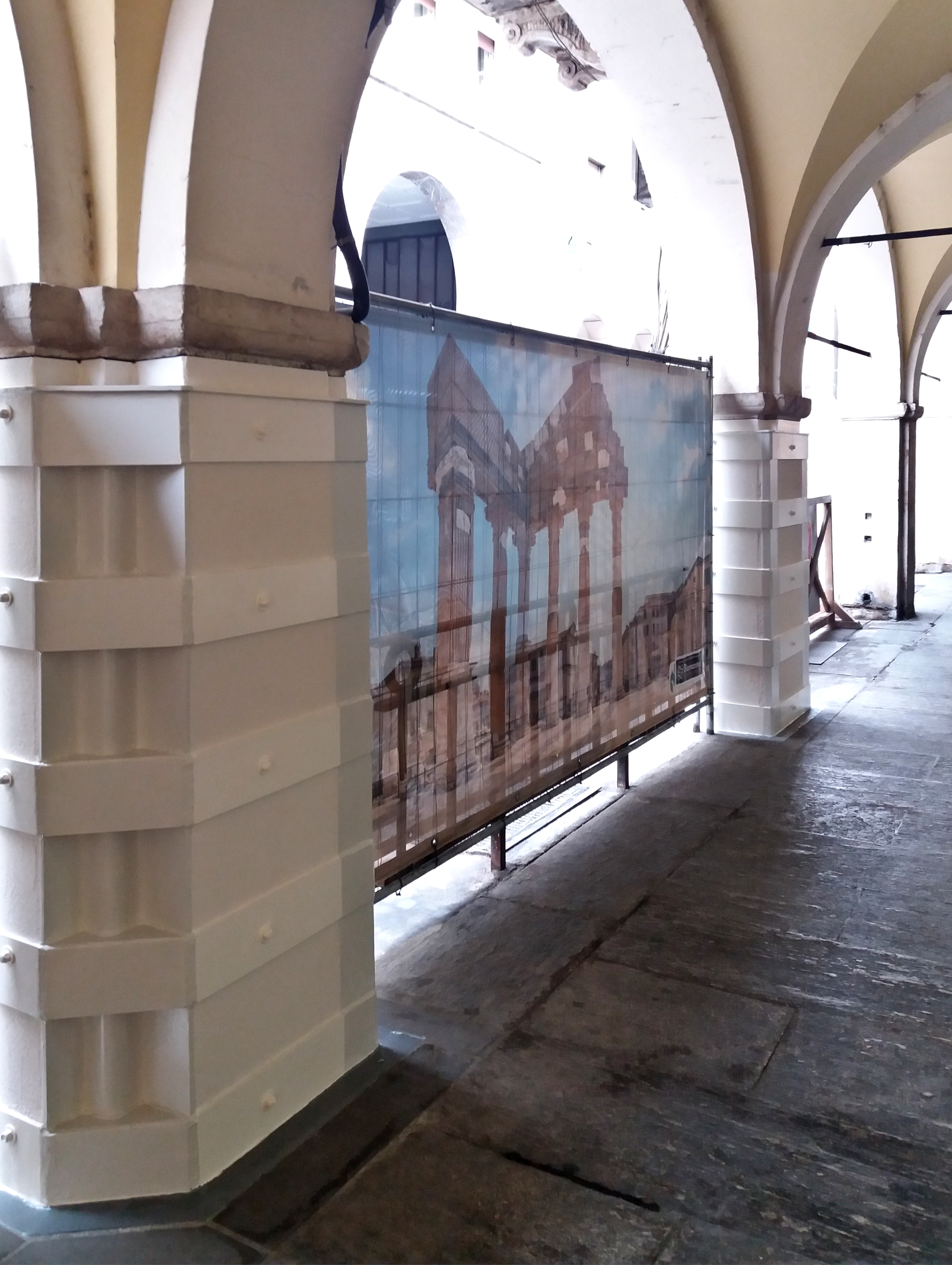
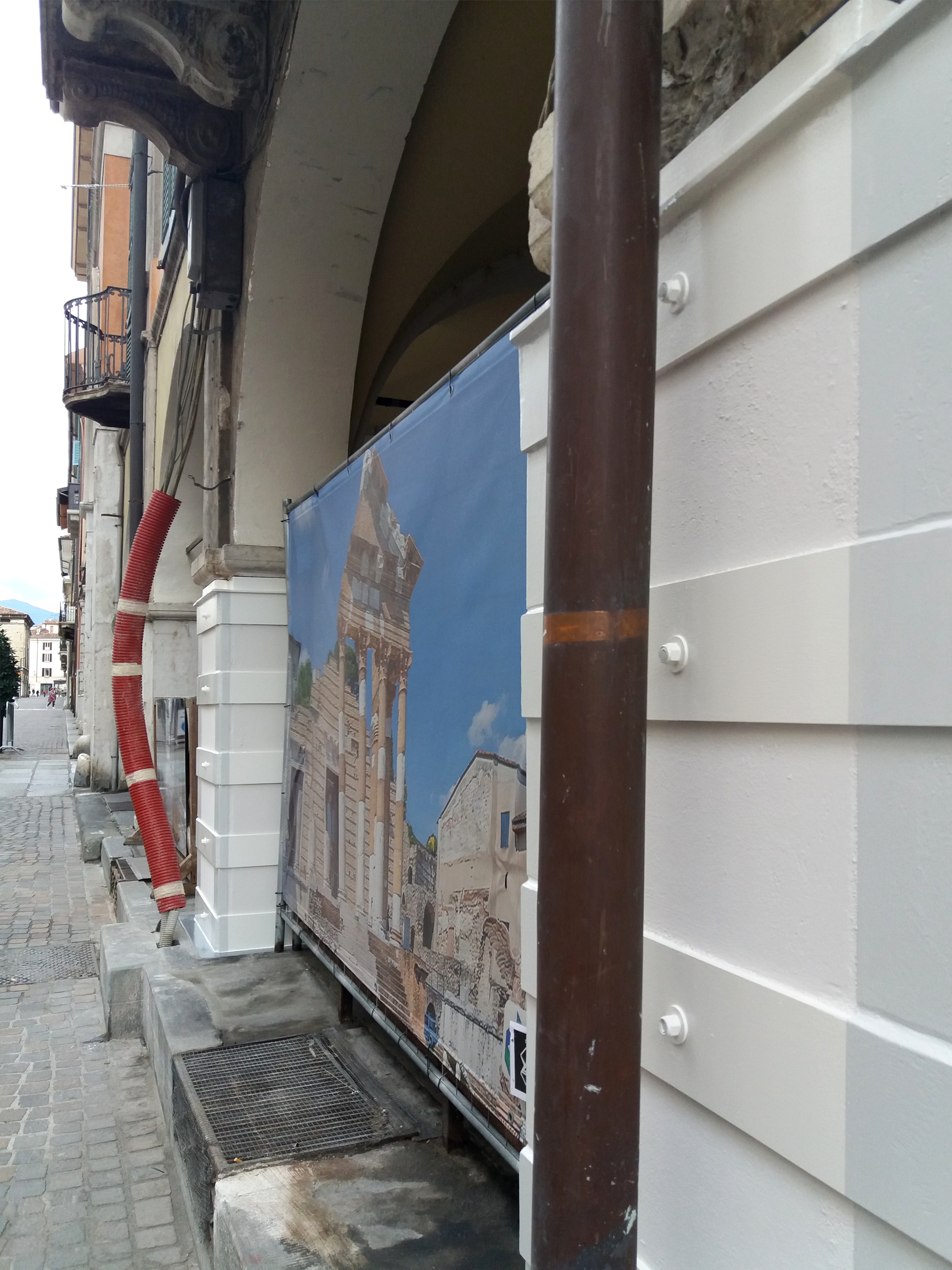
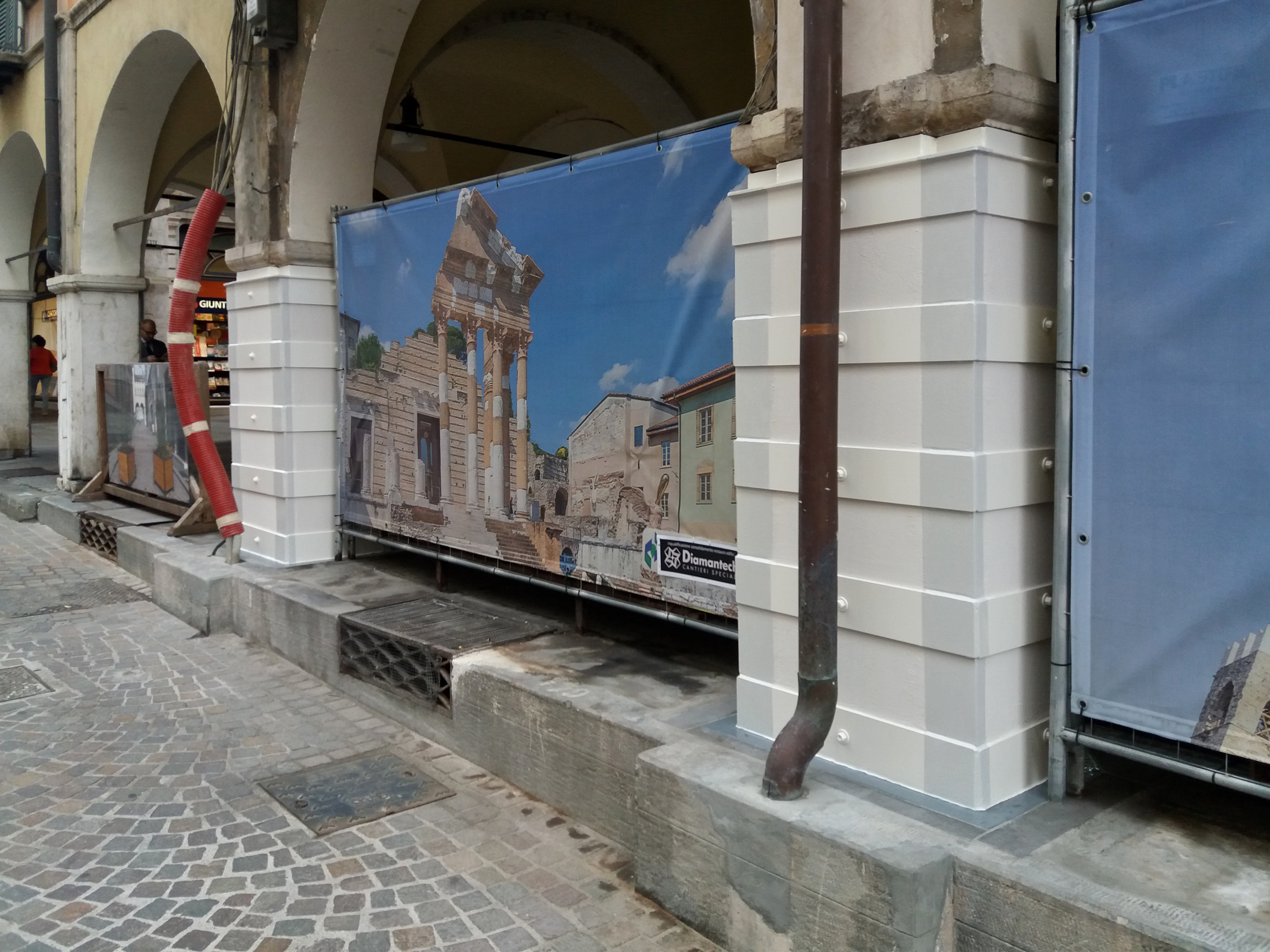
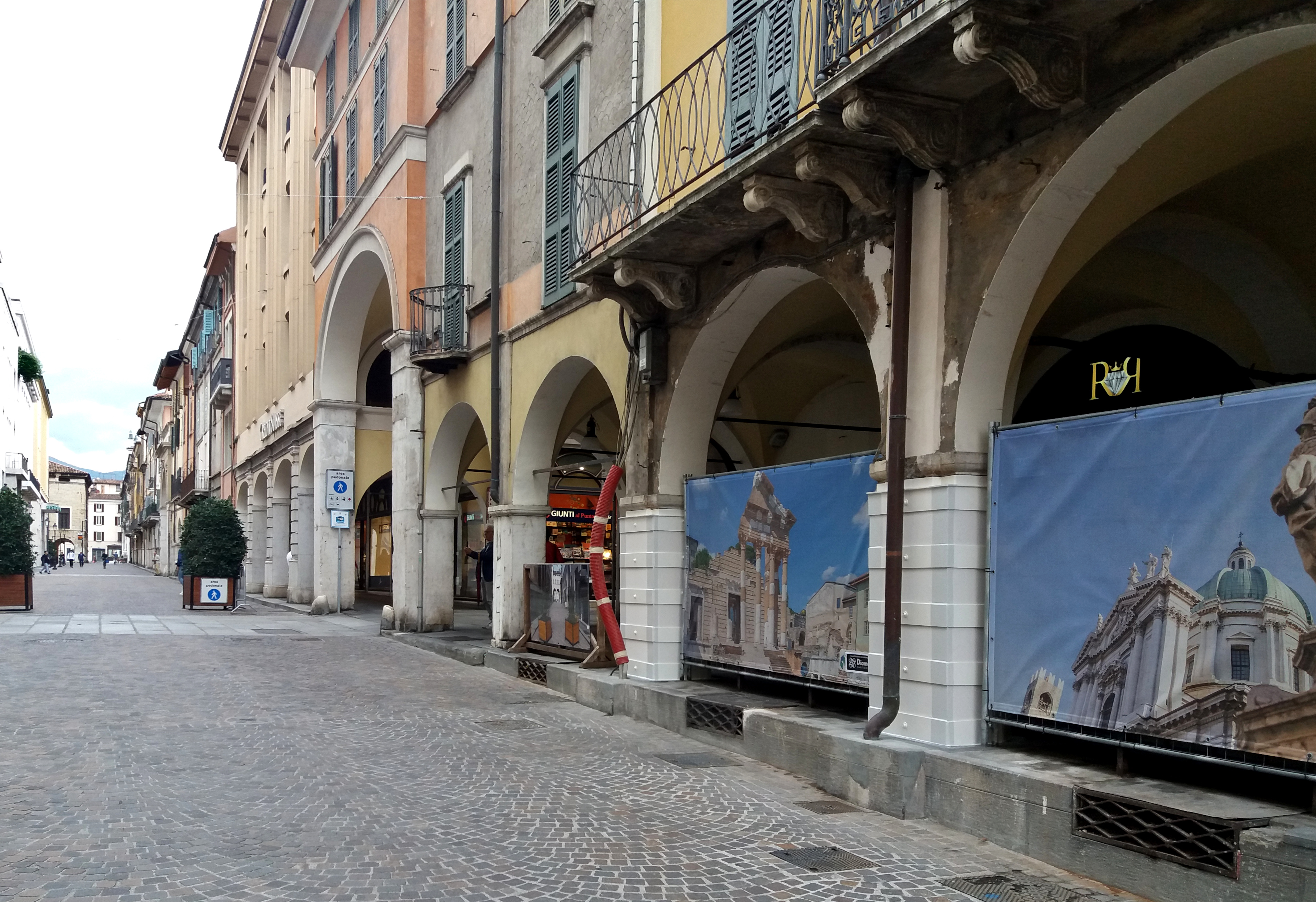
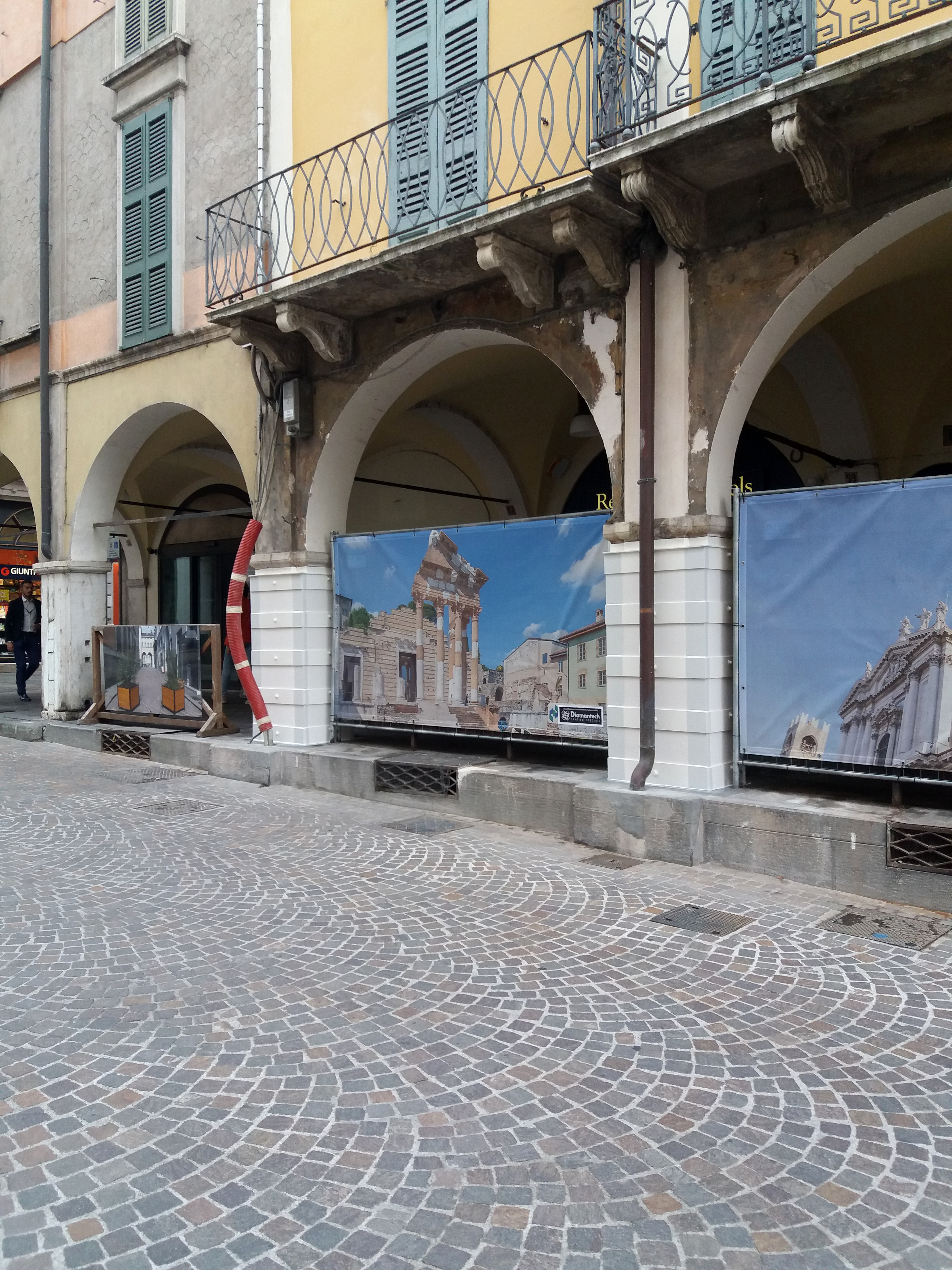
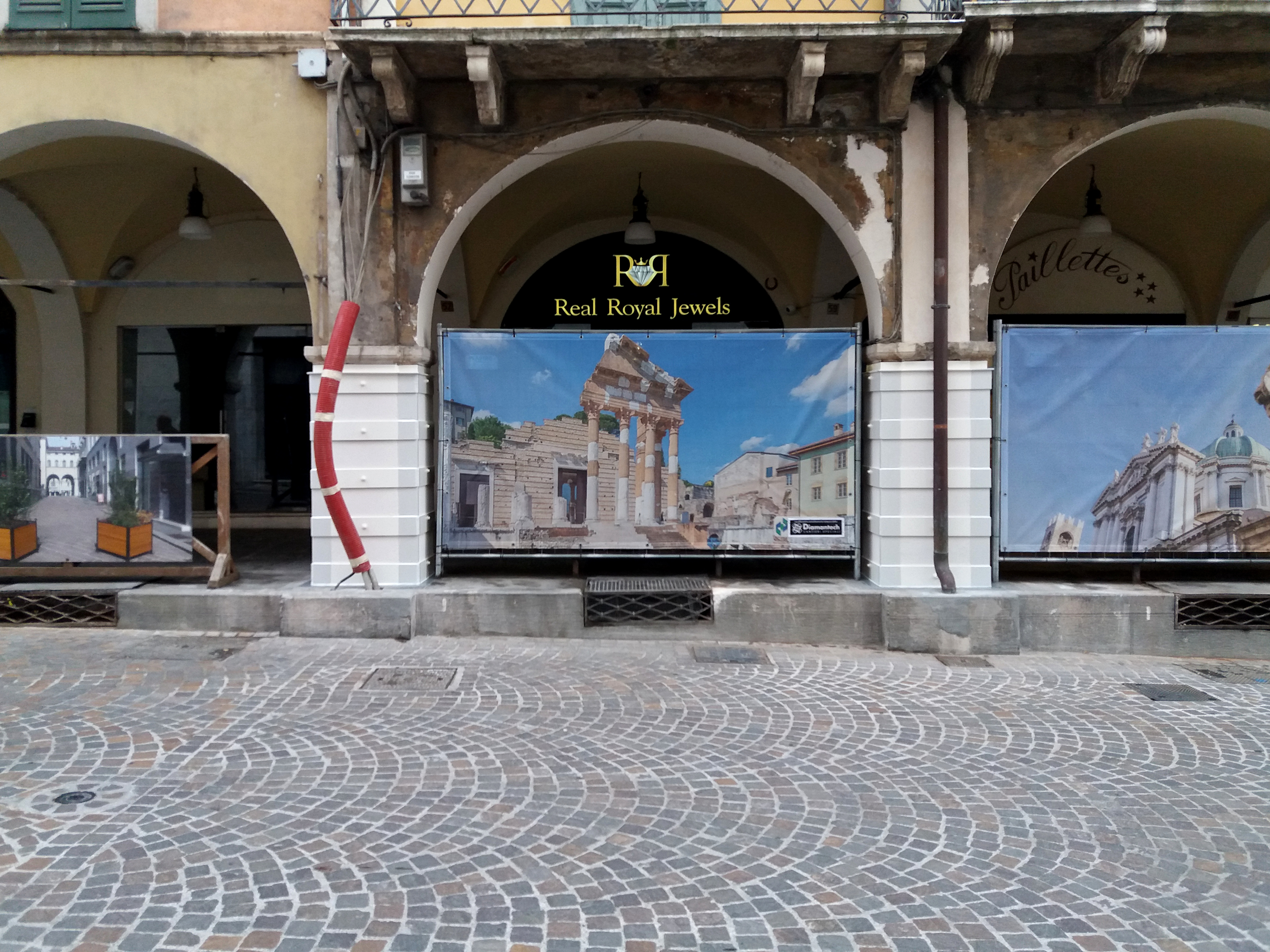
L’intervento ha riguardato il rinforzo strutturale di due pilastri in muratura del porticato di Via X Giornate a Brescia, la principale arteria commerciale del centro storico. L’obiettivo era garantire che questi elementi potessero continuare a sostenere in modo sicuro l’edificio residenziale storico che vi poggia sopra. Per farlo, si è realizzata una cerchiatura in acciaio abbinata a un consolidamento con malte strutturali specifiche.
Sono stati quindi installati e completati gli elementi in acciaio, concepiti come vere e proprie cerchiature strutturali.
Nel dettaglio, l’intervento si è reso necessario per riparare fessurazioni già presenti e, soprattutto, per ricostruire una parte del pilastro che risultava compromessa e in parte crollata. Si è conservata la porzione sana della muratura e si è riportata l’intera struttura a una condizione in cui potesse sopportare i carichi in modo sicuro.
L’intervento ha avuto un impatto significativo sulle dimensioni del pilastro, soprattutto in relazione alla misura del capitello in Botticino. Per questo, si è previsto un elemento strutturale superiore – una sorta di “corona” – che separa visivamente il nuovo pilastro dalla base del capitello. In questo modo, il capitello mantiene la sua proporzione visivamente più ampia rispetto alla sommità del pilastro, come previsto dalla tradizione architettonica.
Le parti interessate dall’intervento, sia quelle in acciaio sia quelle in intonaco, sono state tinteggiate. Tuttavia, non si è cercato di mascherare l’intervento: un’eventuale copertura avrebbe accentuato eccessivamente il rapporto tra pilastro e capitello, alterando l’equilibrio formale tra i due elementi, in cui il capitello dovrebbe sempre apparire più ampio rispetto al pilastro.
Anche per tutte le precedenti considerazioni, quindi, da un punto di vista più strettamente architettonico, l’idea che abbiamo realizzato con il sistema di tinteggiatura è stata quella di lasciare a vista le fasce metalliche, senza coprirle, e di dipingere l’intervento complessivo in modo da evidenziare con il colore la forma dei precedenti pilastri piuttosto che la matericità attuale, ossia di evidenziare la memoria dei pilastri come erano prima dell’intervento piuttosto che evidenziare i differenti materiali con cui si è oggi intervenuto.
In altre parole, la differente matericità degli elementi racconta la verità della costruzione e dell’intervento. L’acciaio e l’intonaco sono trattati come tali e lasciati a vista. Essi sono ciò che sembrano, anche in senso materico e tattile.
I colori raccontano invece la storia dell’edificio, senza farla perdere, portando fino a terra il segno delle lesene che caratterizzano lo stesso edificio lungo tutta la sua altezza.
E’ come se il colore rappresenti il ‘fantasma’ della lesena storica, e la materia costituisca invece la verità della costruzione attuale.
Infine, per quanto riguarda la differenza cromatica tra le parti che evidenziano le lesene e quelle esterne, si è scelto un contrasto leggero. Un accostamento più marcato avrebbe creato un effetto eccessivo, quasi caricaturale. Si è preferito dunque un approccio sobrio, che possa quasi passare inosservato per chi percorre abitualmente la via, ma che, per l’osservatore attento, restituisca con immediatezza il senso delle scelte compiute.
…
The intervention concerned the structural reinforcement of two masonry pillars of the portico on Via X Giornate in Brescia, the main commercial thoroughfare in the city’s historic center. The aim was to ensure that these elements could continue to safely support the historic residential building that rests upon them. To achieve this, a steel encasement for structural confinement was implemented, combined with the application of specialized structural mortars.
Steel components, designed as true structural encasement, were installed and completed accordingly.
More specifically, the intervention was necessary both to repair existing cracks and, more importantly, to reconstruct a section of the pillar that had been severely compromised and partially collapsed. The sound portion of the masonry was preserved, and the entire structure was restored to a condition capable of bearing loads safely.
The intervention significantly affected the dimensions of the pillar, particularly in relation to the Botticino stone capital. For this reason, an upper structural element – a kind of “crown” – was introduced to create a visual separation between the new pillar and the base of the capital. This allows the capital to maintain its visually dominant width over the top of the pillar, in keeping with traditional architectural proportions.
The areas affected by the intervention, both steel and plaster, were painted. However, the goal was not to conceal the work: any attempt at masking would have exaggerated the visual relationship between the pillar and the capital, disrupting the intended formal balance, which traditionally calls for the capital to appear visibly wider than the supporting element.
For these reasons, from a more strictly architectural standpoint, the chosen approach with the paintwork was to leave the metal bands visible and not to cover them, and to paint the intervention as a whole in a way that highlights the original shape of the pillars through color, rather than emphasizing the materials used in the current repair. In other words, the intention was to evoke the memory of the pillars as they were before the intervention, rather than to draw attention to the diversity of materials now present.
Put differently, the different material textures speak truthfully of the construction and the intervention. Steel and plaster are treated as what they are and left exposed. They are what they appear to be, both visually and tactilely.
Color, instead, tells the story of the building, preserving its identity by extending to the ground the visual rhythm of the pilasters that characterize the façade along its entire height. In this sense, color represents the “ghost” of the historical pilaster, while material conveys the truth of the current construction.
Lastly, regarding the chromatic difference between the areas that highlight the pilasters and the surrounding surfaces, a subtle contrast was chosen. A stronger juxtaposition would have created an overly pronounced effect, almost caricatural. A more discreet approach was therefore preferred—one that may go almost unnoticed by regular passersby, yet still communicates the rationale behind the choices to the attentive observer.


 STUDIOARTEC